

Once you’ve passed your driving test, that moment of pure excitement can be truly overwhelming. This massive achievement represents your first step towards complete independence on the road. When you first realise you’ve officially passed, a great sense of accomplishment might lead to forgetting some of the most important things you need to do next. We’ve all been there – no longer needing lessons, but sometimes unsure what to do with this newfound freedom. Here are the top practical steps to take after earning your license that will help you get safely out on the road. Don’t wait to put these tricks into practice – about to embark on this new journey is a truly special feeling. Let’s discuss what comes next now that you have forgotten being the nervous student driver!
Top Tips For After You’ve Passed Your Driving Test
The time after you pass your driving test is both thrilling and daunting—a great realisation that you’re on your own now. I still remember how I felt when my instructor Osman (Ossie to his pupils) said I could retire those L-plates. Many new drivers often feel guilty about making mistakes without someone to check them, but that’s something we all experience. Don’t be scared to get back behind the wheel—the skills your instructor taught you haven’t magically disappeared.
Keep mirror checks as key habits and learn from every wrong turn. I took some time in Stevenage practicing driving around familiar roads to build confidence. Many drivers decide to pay the price for a few refresher lessons after they pass—this may happen if you’re not feeling 100% comfortable. Remember that split–second decisions will change your life if an accident were to happen, so stay focused. The important thing is that hazards won’t be dismissed just because you’ve traded temporary plates for permanent ones—they are still out there while you’re seeing the first tastes of true driving freedom.
Shop Around for your first car
When it comes to shopping around for your first car, resist the tempting sales pitch from a smooth-talking salesman who just wants to make a quick commission. Take your time and be on the lookout for common issues like suspicious noise when shifting gear, weak brakes, unresponsive steering, or small dents and scratches that might indicate bigger problems. I’ve helped dozens of new drivers make this crucial decision, and I always suggest taking someone who knows about vehicles along with you. Before falling in love with a car’s appearance, check its history thoroughly—this is essential when buying a used vehicle.
Always test drive multiple options to feel the comfort level that comes with each car. It’s hard not to get caught up in the excitement, but remember, safety comes first. Most dealers are fine with you doing a full inspection of their cars’ internal components. Rushing this purchase might significantly impact your wallet if issues crop up later due to overlooked previous damage. Of course, you’ll likely hate some aspects yet love others—that’s what makes this such a personal decision.
Insurance: The Essential First Step
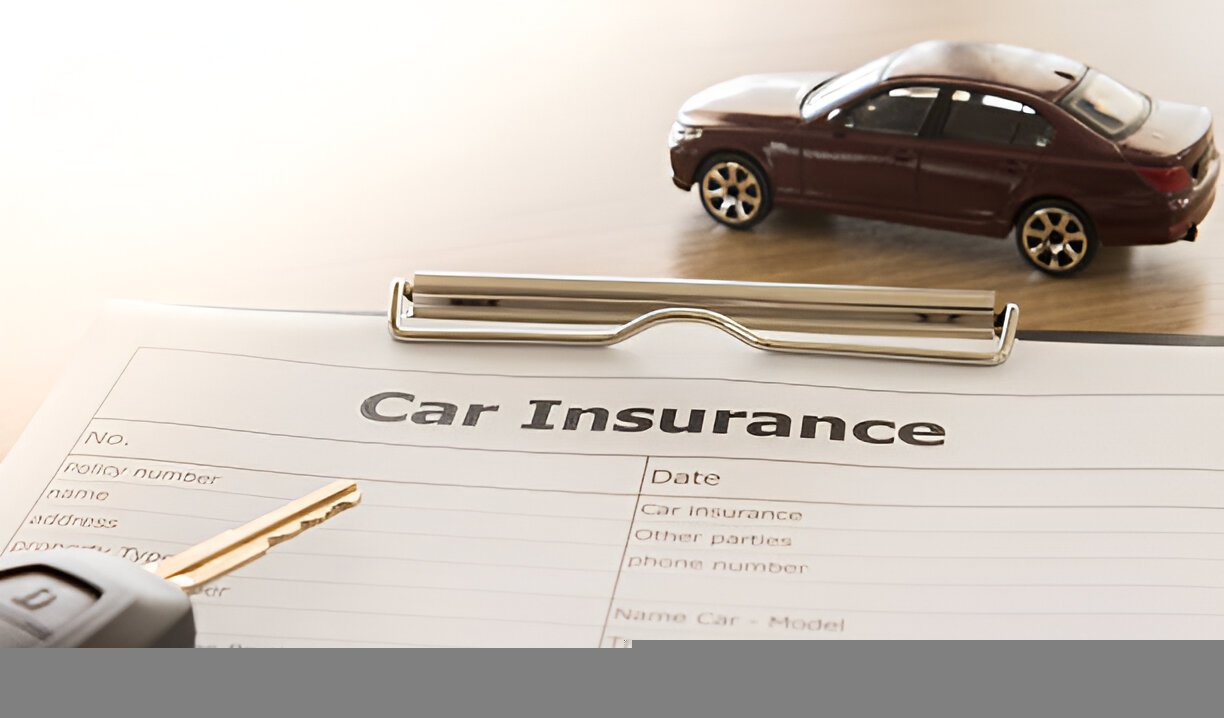
Before you can start to enjoy your newfound freedom, getting insurance is critical – it’s not just recommended, it’s a legal must. As a newly-qualified driver, especially if you’re young, don’t be shocked when insurance quotes seem astronomical – I nearly fell off my chair when I saw my first quote! Take every opportunity to shop around rather than accepting the first offer from your dealership or the first comparison site you visit. Remember, insurance companies see new drivers as high-risk, which means higher premiums.
When considering different policies, put down a higher voluntary excess if you can afford it in the event of a claim, as this often lowers your monthly payments. Never be tempted to drive without proper coverage – you’re risking being disqualified before you’ve had the chance to properly start your driving journey. Make sure to have all necessary documents ready when you collect your car, as you won’t be able to legally drive the vehicle home from the purchasing location without valid coverage – even for that short journey. Many new drivers I’ve advised find it helpful to schedule their policy to pick up the moment they receive their keys.
Breakdown Cover: Your Roadside Safety Net
After getting your license, securing breakdown cover should be high on your priority list—I strongly advise this as one of your first steps before regular driving begins. Having this protection means you won’t be stranded when your car decides to quit immediately after leaving home. Choose a company that offers roadside assistance with onward travel options to ensure you’ll still reach your destination if repairs can’t be done on the spot. I remember when my vehicle broke down outside my parents’ house—what a relief it was to make one quick call and get help! Most providers offer competitive packages starting at just £5 per month—a little investment for major peace of mind.
Check online comparison websites to see which services provide the most value; many will throw in extra benefits like access to courtesy cars or accommodation if needed. The latest deals are always changing, so it’s useful to compare options regularly. When I was a new driver, this extra protection helped me feel confident venturing farther from familiar roads—well worth paying for!
P Plates: Your New Driver Badge of Honor
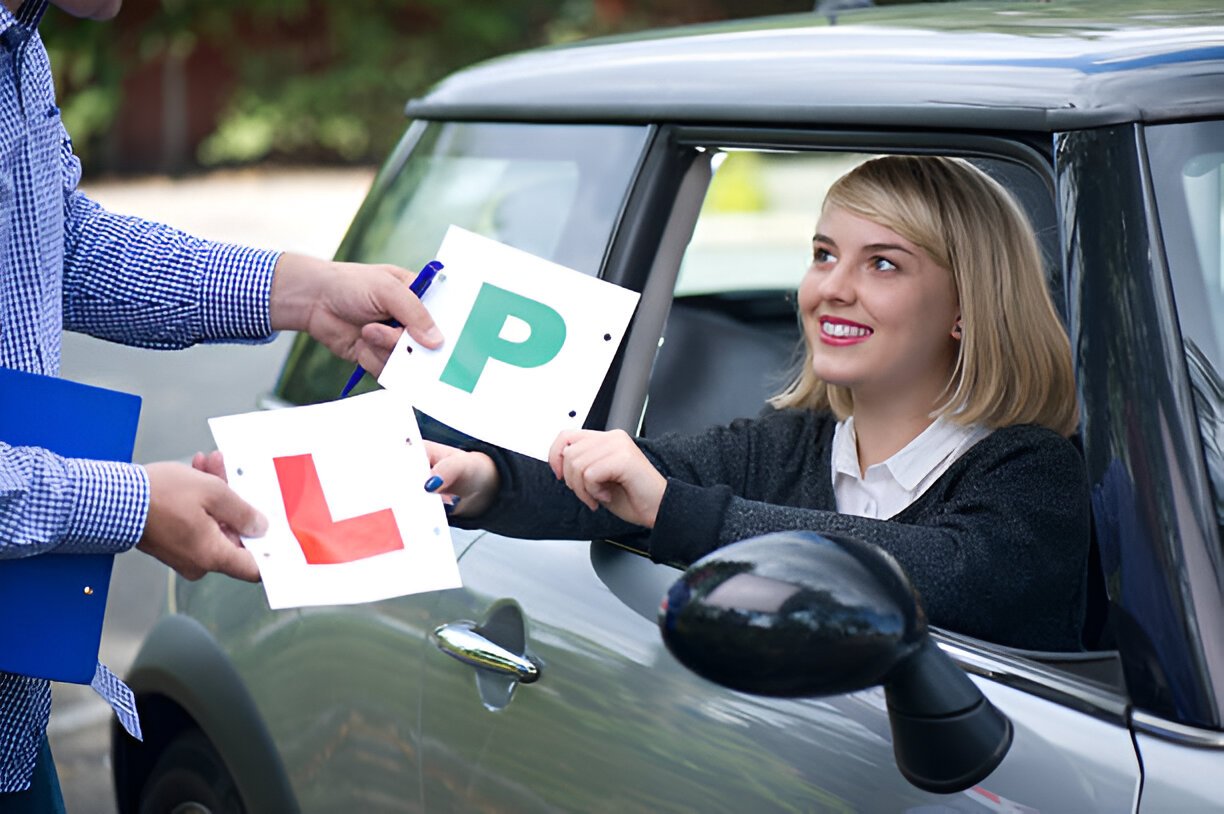
After recently passing your driving test, consider using P plates to signal you’re not yet a seasoned road user. These green symbols aren’t mandatory in most places, but they’re incredibly helpful when you start driving alone for the first time. I still remember how my hands would shake slightly each time I thought I might stall at busy intersections during my first weeks. Having these plates displayed on my vehicle meant other drivers often showed more patience instead of growing impatient behind me when I was slower or made mistakes. The small visual cue gives you a little bit of leeway that can make a huge difference in building your confidence.
You can purchase these inexpensive markers at most auto shops—I get mine for less than the price of a coffee! Even if you feel confident after passing, you might still be likely to make minor errors or get lost while navigating unfamiliar routes. The P plate system essentially lets other road users know you’re still gaining experience, which often results in them giving you the space and understanding you need while your skills develop.
Experience Driving Alone: Building Your Independence
Driving alone for the first time can be both exciting and nerve-wracking after you’ve passed your test. I still remember my initial solo journey—no instructor beside me, just complete silence and newfound freedom. Before inviting friends as passengers, give yourself time to get used to handling the car without any distractions. This transition to driving independently requires patience; don’t feel forced to take on challenging routes immediately. Instead, practice driving on familiar roads where you can focus on car management skills without added pressure. Many new drivers are prone to mistakes when suddenly dealing with situations they previously had guidance for. My recommendation is to attempt to drive alone for at least a week, gradually building your confidence before adding the complexity of driving with passengers who might chat or fidget.
This controlled approach will give you a genuine confidence boost as you become more comfortable manoeuvring in traffic and handling situations on your own. The quiet space of driving with no distractions allows you to solidify your manoeuvring skills and truly make full use of your training.
Invest In Car Essentials: Be Prepared for the Unexpected
After getting your license, investing in essential items for your car should be a priority, not an afterthought. Most new drivers focus on the excitement of their first car but forget about being prepared for issues that can arise at inconvenient times. A compact emergency kit with a first aid kit, flashlight, and ice scraper can be an excellent choice for smaller cars where room is minimised. I learned this lesson the hard way when my tire blew out on a dark country road with no cell service having proper emergency essentials would have made that situation much less stressful.
For first cars, which are often smaller cars, consider whether you have a spare tyre or spacesaver tyres. Many modern vehicles don’t include a full-size spare anymore, instead offering a tyre kit for temporary repairs. Whatever your car includes, make sure you know how to fit your spare tyre kit before you need to use it. Being prepared means you can predict potential problems and address them quickly rather than waiting helplessly by the roadside. When I teach new drivers about car maintenance and emergency preparedness, I emphasize that these aren’t optional extras—they’re truly essentials that belong in every boot, no matter how small.
Road Tax: A Non-Negotiable Legal Obligation
After passing driving test, sorting out your road tax is a critical legal requirement that cannot be overlooked. The amount you’ll need to pay will depend on your vehicle make, car model, age, and CO2 emissions. I remember when one of my pupils in Scarborough thought they could delay this after passing driving test—they were caught the very next day and faced an immediate £80 fine. My colleague Ashley Simpson, who provides driving lessons across the region, has seen passed pupils facing court action and even vehicle clamping when they neglect this essential step.
Getting your car properly taxed and insured before driving is non-negotiable—unlike insurance where you can shop around for better deals, road tax payment must be handled immediately. The good news is that in today’s digital world, it’s much easier to arrange your tax online than in previous years. In a recent situation, one of my students had their vehicle clamped just three days after passing their test because they misunderstood their legal obligations. Remember that authorities have sophisticated systems to identify untaxed vehicles, and the consequences of avoiding this tax payment can quickly escalate from a simple tax fine to more serious driving situation complications.
Final Points To Remember: Protecting Your New Privilege
Becoming a legal driver comes with serious responsibilities that shouldn’t be taken lightly. You’ve invested considerable time and money in driving lessons and worked hard to pass your test – don’t risk throwing it all away through careless decisions. The most common reasons new drivers end up losing licence privileges involve phone use while behind the wheel and exceeding alcohol intake limits. I’ve seen countless promising drivers face heartrending consequences after just one moment of poor judgment. Stay aware of all driving laws and remember that as a newcomer to the roads, you’re statistically at higher risk of being involved in incidents. Your commitment to safety should be unwavering, especially during your first trip alone.
The transition from supervised learner to independent driver naturally brings worries about making mistakes in an unfamiliar car or situation. This anxiety is perfectly normal – I still remember the butterflies I felt during my first solo journey after passing. The final point to remember is that learning to drive doesn’t end when you pass your test; it’s just beginning. Every journey builds experience and confidence. Be patient with yourself, but never compromise on legal obligations. Keep refreshing your knowledge of driving risks and changing regulations. Your license represents both freedom and responsibility – respect both aspects equally and you’ll enjoy many years of trouble-free motoring.
